Challenges in the field
Operational safety and compliance
Many organizations must meet internal safety standards, contractual requirements or regulatory obligations.
Monitoring systems, telematics tools and data collection technologies can support operational oversight and decision-making.
Demanding environmental conditions
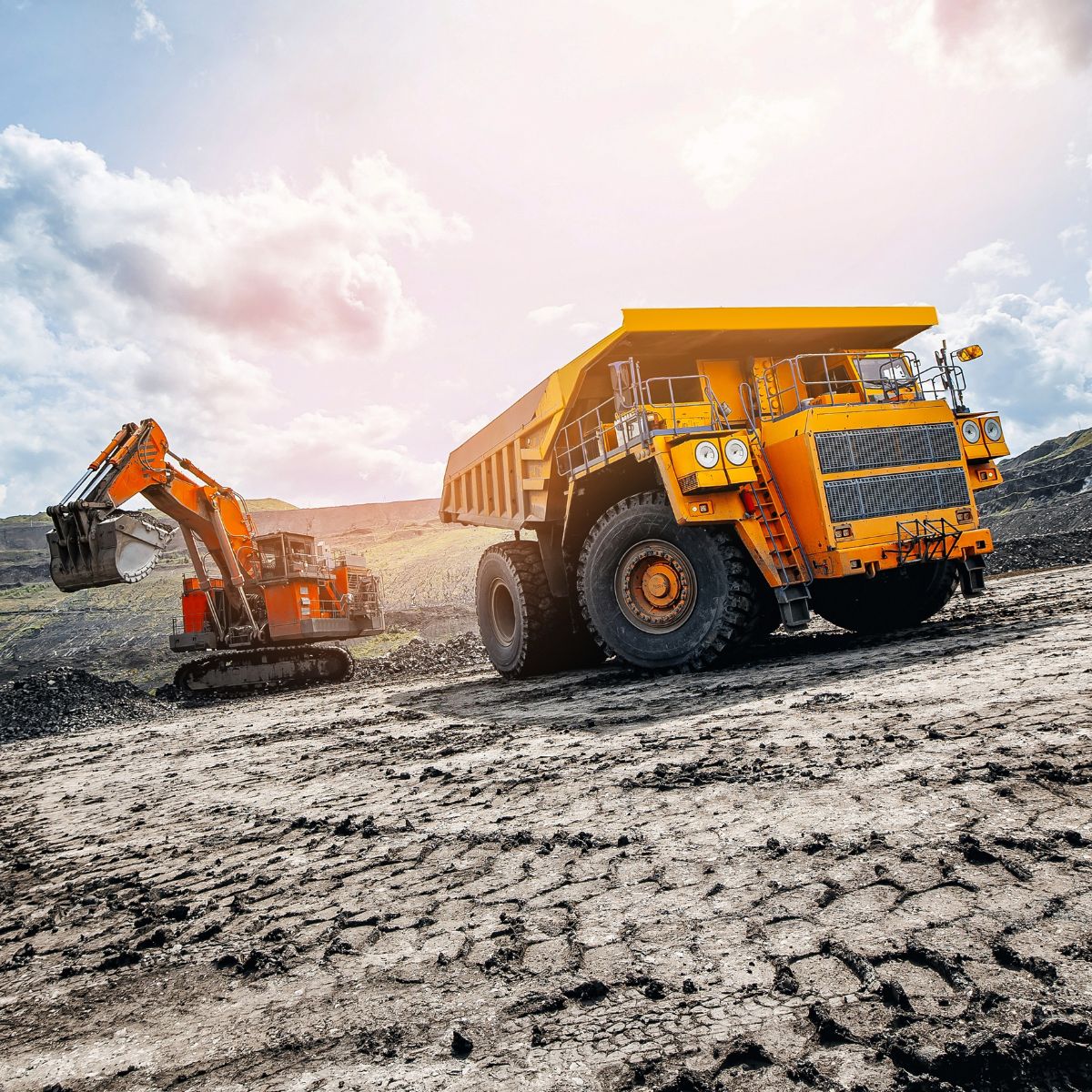
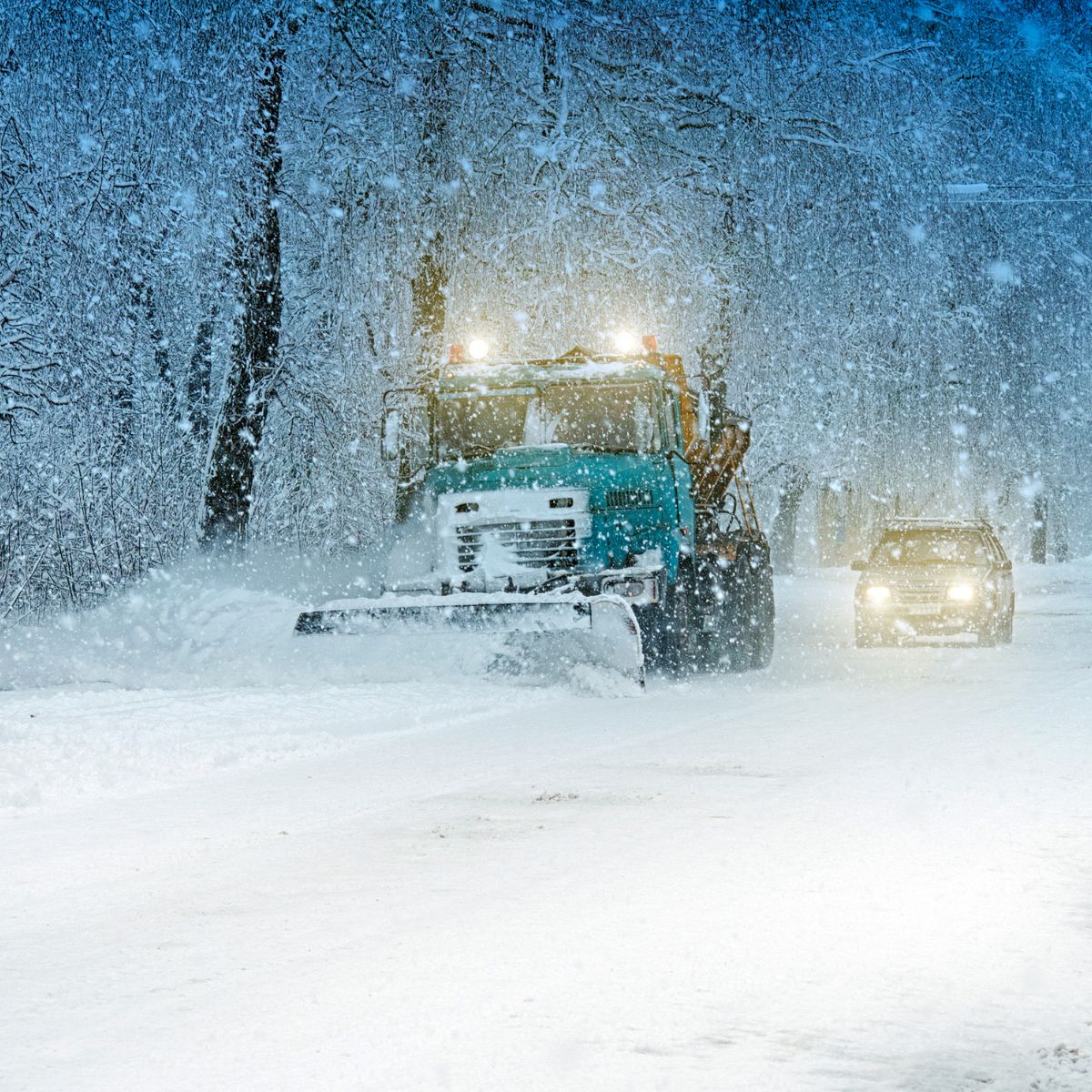
Dust, mud, rain, snow, ice and low light can affect visibility and the performance of safety equipment.
Selecting equipment for these conditions helps maintain visibility and equipment operation within its intended operating limits.
People working nearby
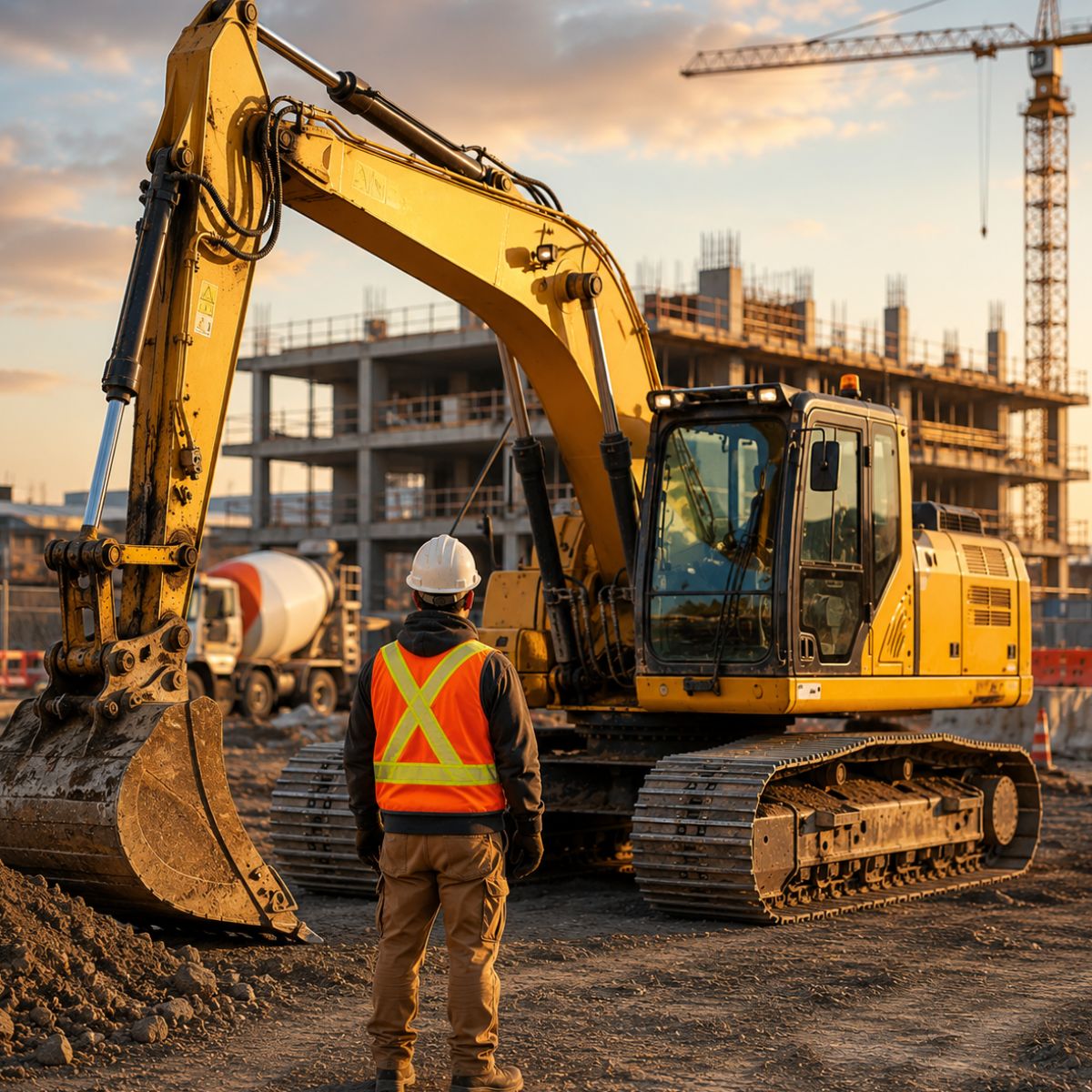
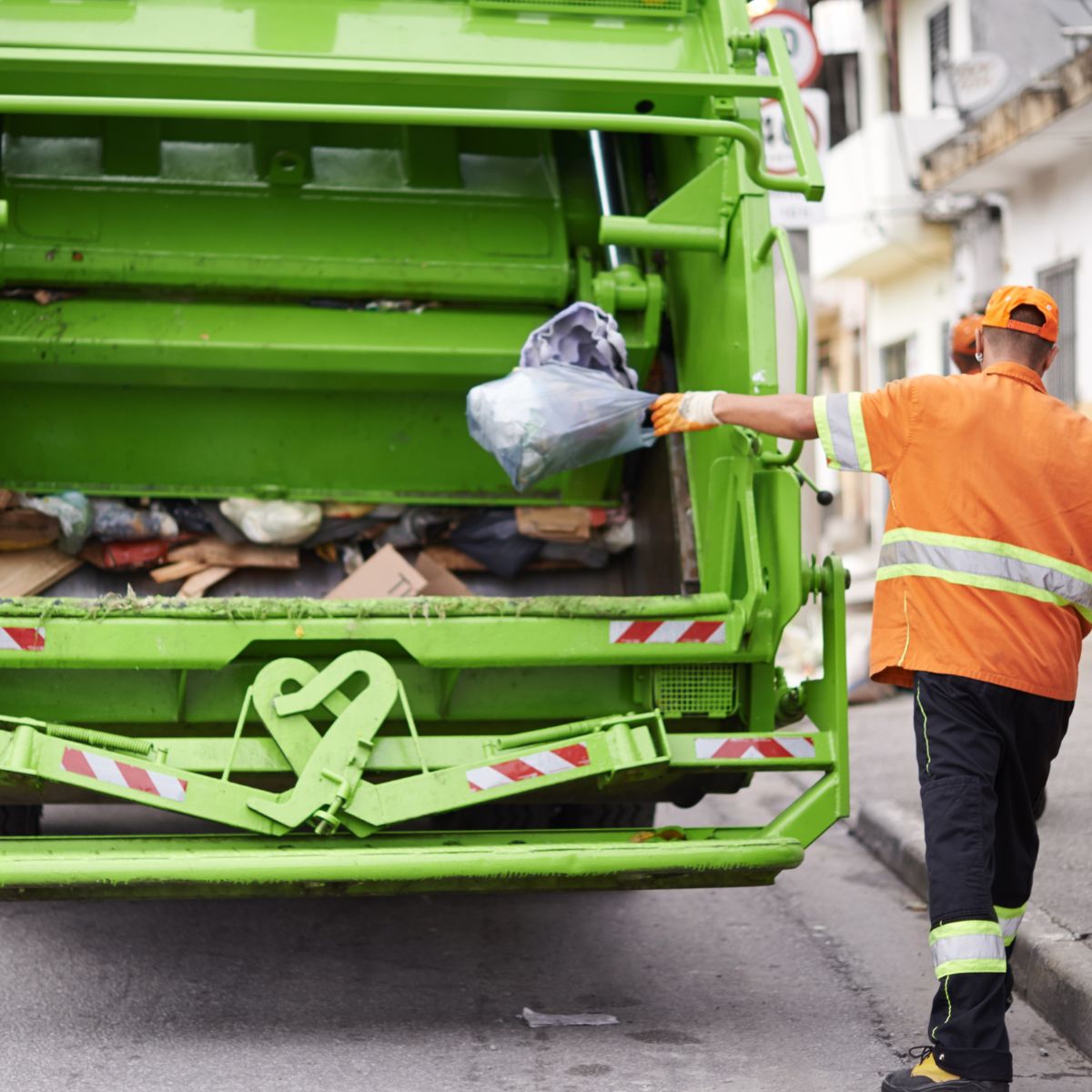
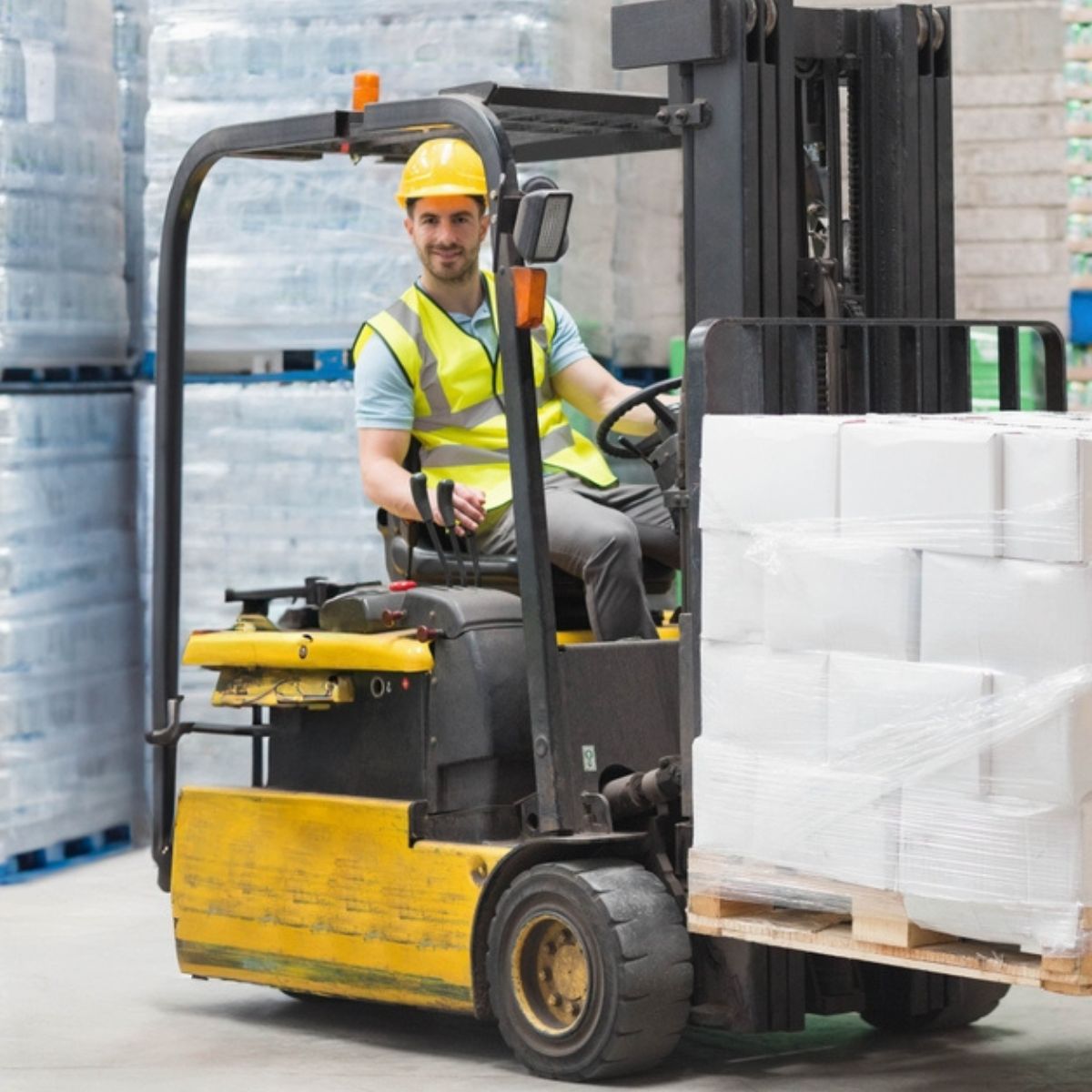
On job sites, in urban areas, warehouses and collection zones, vehicles often share their workspace with workers and pedestrians.
Detection systems, including AI-assisted person detection, can alert the driver when a person is detected in a monitored area. Available detection and alert functions depend on the selected system.
Blind spots and limited visibility
Heavy vehicles and industrial equipment have blind spots that can complicate manoeuvres and increase collision risks.
Cameras, 360° vision systems and radar help operators see more of their surroundings and identify potential hazards.
Claims and incident documentation
Incidents involving commercial vehicles can lead to significant costs, operational interruptions and liability concerns.
On-board video recording documents events and can help drivers, managers and organizations review incidents.
Fleet management and operational monitoring
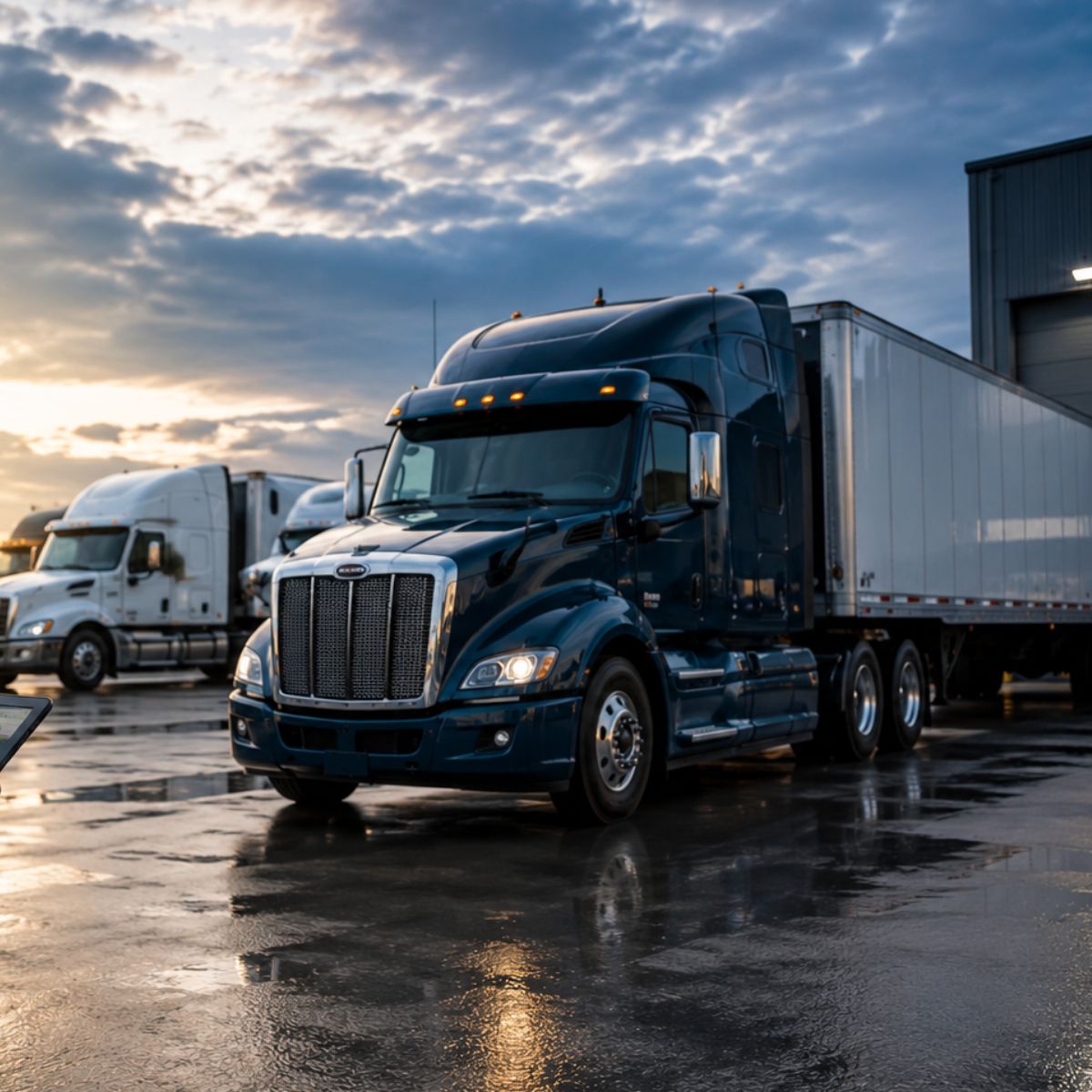
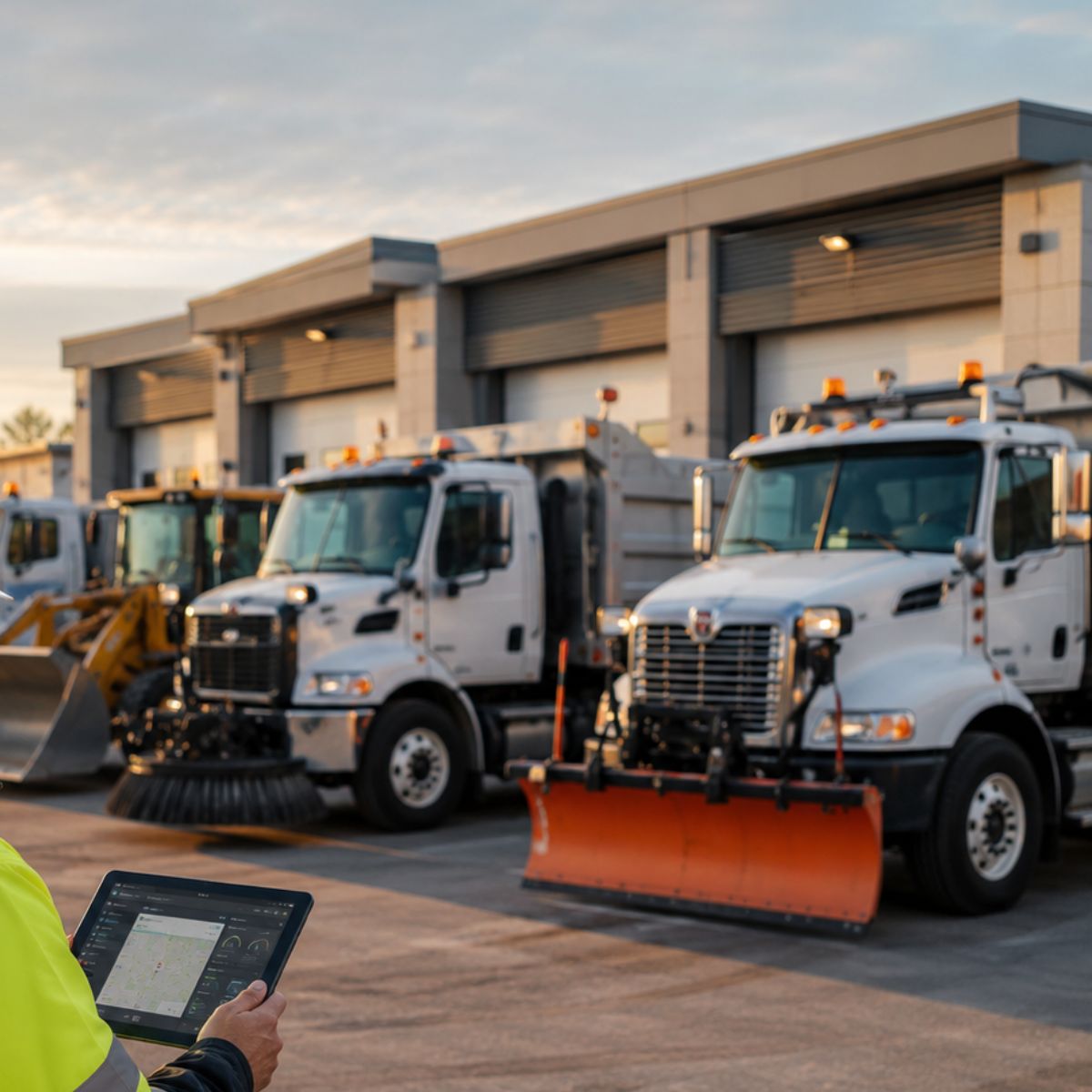
Fleet managers need to balance safety, productivity and costs. Combining video, telematics and data from the field can help monitor operations and plan equipment use.
An approach
suited to your working conditions
A snowplough, a loader, a municipal vehicle and a forklift have different blind spots and operating conditions. We help you choose a combination of technologies suited to your operations: 360° vision, radar detection, video recording, alarms, telematics or automated camera cleaning.